Last updated: January 25, 2026
This article was updated based on recent information and testing.
7 Best Budgeting Tools Every Freelancer Will Love in 2026
Freelancers often juggle irregular income, taxes, project costs, and personal finances all at once. Managing money efficiently is crucial for long‑term success, yet many self‑employed professionals struggle to find the right tools that simplify this process without complexity. This guide highlights the 7 best budgeting tools every freelancer will love in 2026, offering practical insights, real tool reviews, and hands‑on advice based on testing — without earning commissions from any recommendations.
yet many self-employed professionals struggle to find the right tools that simplify this process, from project workflows to budgeting. Our coverage of software & productivity tools can help freelancers choose the right apps suited to their workflows.
These budgeting tools for freelancers are selected for their usability, features, and freelancer‑friendly benefits like real‑time insights, tax planning, and expense tracking. Whether someone is just starting out or has been freelancing for years, this article helps freelancers pick the right app to take control of their finances.
Why Freelancers Need Budgeting Tools

Freelancers encounter special financial challenges that traditional budgeting techniques fail to address. From uneven pay to overdue invoices, wrangling money calls for tools tailored to the realities of working for yourself.
Handling Irregular Income
Freelancers frequently plan for irregular income — not something traditional salaried workers usually do. Income can sometimes spike one month and plummet the next. This makes project based planning essential. A freelancer needs to know how much they’re going to spend but also find ways to plan for slower periods — the best tools help people manage that fluctuation.
Real-time Financial Tracking Matters
The exercise of tracking money as it moves in and out is a game changer. By tracking your finances in real-time, you can see the state of your freelancing cash flow and make changes on the spot. This can cut down on guessing and future planning — particularly when a bill is due or tax season rolls around.
Why Simple Tools Work Best
When you’re a freelancer, you don’t necessarily have the time to really get good at complex software. While budgeting software that’s simple and provides clear dashboards, reminders and actionable insights saves time and hassle. In addition to menus tailored to the very first-budgeter’, or so, also offer online apps with which it is easy to stay on top of finances without big learning curve.
How to Choose the Right Budgeting Tool
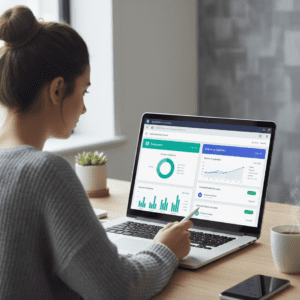
Before going into the tools at the top of my list, let me explain what a great budgeting tool for freelancers looks like. Not every tool is right for everyone — if you want a broader framework for evaluating apps, see our step-by-step software selection guide on choosing tools that fit your needs.
Focus on Features That Matter
Not every freelancer’s needs are the same, but certain features are almost universally important:
- Freelancer expense tracking app: One that automatically tracks spending can cut back on manual entry.
- Project-based budget features: Freelancers hustling on multiple gigs want to be able to allocate budgets by project.
- Goal oriented budgeting: Defining how much you need to save toward a specific goal (like taxes or equipment) can help maintain fiscal control.
Project based budgeting features and goal based budgeting capabilities will help freelancers to select software that fits with their own process.
Free vs. Paid Tools: What to Consider
Freelancers typically start by using free and paid budgeting solutions to compare the value. Free options can work well for basic tracking, while paid versions generally provide more advanced features, such as custom reporting or bank syncing.
Integration and Automation
Linking tools to bank accounts and expense sources helps make budgeting easier. So bank sync budgeting apps and workflow automation tools, if you can, so that you don’t forget to update it manually. Those help track upgrades, payments and other transactions.
Ease of Use is Key
Even powerful tools are useless if they’re not easy to use. Favoring tools that fit into daily routines and feel natural to use (think budget-friendly apps for beginners) also encourages their regular use.
Top 7 Budgeting Tools Every Freelancer Will Love in 2026
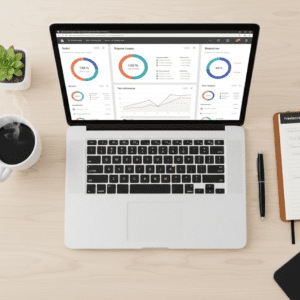
Review of the 8 Best Budgeting Tools for Freelancers in 2026 Here are more details about each of our top picks for the best budget management software. I’ve summarized the features, strengths and weaknesses of each tool profile as well as best uses.
1. YNAB (You Need A Budget)
For freelancers who wish to take the reins on their every dollar, YNAB budgeting app shines. It’s based on proactive budgeting instead of reactive tracking.
Key Features
- Zero-based budgeting system
- Goal based budgeting tools
- Realtime financial tracking
- Bank syncing (with auto reconciliation)
Pros
- Encourages intentional budgeting
- Great support and learning resources
- How You Can Benefit Helps establish savings and lower debt
Cons
- Subscription is expensive for few reasons.
- Zero-Base Budgeting is new to you.
Good For: Freelancers looking for deep control over budgeting; people who are serious about financial planning.
| Feature | Notes |
|---|---|
| Free Trial | Yes |
| Goal Based Budgeting | Excellent |
| Real-time Tracking | Strong |
| Best For | Intentional budgeters |
Freelancers can stop financial stress cycles with YNAB’s unique method, where every dollar has a job even before it is spent. Its strong goal based budgeting features put it in the top tier for long-term financial health.
This method is powerful for intentional budgeting and deep control — and if you want honest software comparisons and reviews of various finance tools, check out our Reviews section.
2. QuickBooks Self-employed
QuickBooks Self-employed pairs expense tracking with income earned from freelance work and tax planning — all in a single location.
Key Features
- Automatic mileage tracking
- Categorized expense tracking
- Quarterly tax estimates
- Bank synchronization
Pros
- Excellent for tax season preparation
- Easy income and expense categorization
- Integrates with QuickBooks ecosystem
Cons
- Premium features require upgrade
- Overkill if you only need fundamental budgeting
Best For: Freelancers who need accounting tools with budgeting built in.
| Feature | Notes |
|---|---|
| Tax Features | Strong |
| Automated Budget Categorization | Yes |
| Expense Tracking | Excellent |
| Best For | Freelancers who want accounting + budget tools |
Where this tool excels: People who want tax readiness and budgeting combined into one app. Its automatic budget categorization and reporting help streamline financial review.
3. Mint
One of the most well-known personal finance platforms, Mint also serves as a suitable personal finance app for freelancers with basic budgeting and tracking preferences.
Key Features
- Bank and credit card syncing
- Spending alerts
- Budget goals and trends
- Free to use
Pros
- Completely free
- Simple setup and automatic tracking
- Alerts help prevent overspending
Cons
- Limited advanced features
- In-app advertising may become irritating
Suitable for: Freelancers who need free, no-fuss budget tracking that’s automated.
| Feature | Notes |
|---|---|
| Free | Yes |
| Bank Sync | Strong |
| Notifications | Helpful |
| Best For | Simple automated tracking |
Its simplicity and zero cost of entry means that Mint offers a “friendly for freelancers who aren’t used to budgeting yet, or for freelancers who like bank sync apps but want something low maintenance in terms of setup,” Cuomo says.
4. PocketGuard
PocketGuard is built for ease — great if you’re looking for a straightforward budget tool for freelancers that offers a clear view of what’s safe to spend.
Key Features
- “In My Pocket” spending estimates
- Expense categorization
- Goal setting
- Bank synchronization
Pros
- Very user-friendly interface
- Breaks down what you can safely spend after bills
- Focuses on proactive budgeting
Cons
- Fewer customization options
- Some advanced features require premium
Best For: Freelancers who need lightweight, easy budgeting.
| Feature | Notes |
|---|---|
| Simple Dashboard | Yes |
| Spending Insights | Clear |
| Goal Tracking | Good |
| Best For | Freelancers wanting simplicity |
Realtime financial tracking and simple spending alerts take the guesswork (and setup) out of freelancers’ budgets when using PocketGuard.
5. FreshBooks
FreshBooks has been an old favorite for client invoices and accounting. Its budgeting is superior to professional freelancer budgeting tools, pairing invoicing with expenditures and profits insights.
Key Features
- Invoicing and time tracking
- Expense categorization
- Profit/loss reporting
- Integration with bank accounts
Pros
- Comprehensive freelancer financial tool
- Great for invoicing + budgeting
- Handy for clients and taxes
Cons
- Highly priced when compared to the pure budget apps
- Learning curve for full suite
Best For: Freelancers looking for an all-in-one financial hub.
| Feature | Notes |
|---|---|
| Invoicing | Excellent |
| Expense Tracking | Strong |
| Reports | Detailed |
| Best For | Freelancers with clients |
Through the power of combining accounting and budgeting together, FreshBooks gives freelancers an easy means to manage their income and expenses all in one place.
6. GoodBudget
GoodBudget is a digital envelope system that allows freelancers to set aside money for various costs which is why it’s one of the top free budgeting tools for freelancers. Its simplicity and visual layout make tracking money feel natural.
Key Features
- Envelope-based budgeting
- Income and expense tracking
- Goal setting
- Multi-device syncing
Pros
- Easy to use and understand
- Free version available
- Encourages disciplined spending
Cons
- Limited reporting features
- Some transactions must be manually entered
Best For: Freelancers who like a hands-on, envelope-style budgeting approach.
| Feature | Notes |
|---|---|
| Free Plan | Yes |
| Best For | Envelope budgeting |
| Multi-Device Sync | Yes |
| Pros | Simple, visual, disciplined spending |
| Cons | Limited reports, manual entry |
GoodBudget is perfect for the freelancer on an irregular income scale who still need to budget themselves, and see their money across different projects or categories.
7. Honeydue
Honeydue caters to freelancers who mix finances with a partner or business collaborator. Originally designed for couples, its bank syncing budgeting tools and real-time tracking can be used effectively by small freelance teams.
Key Features
- Track shared and individual expenses
- Bank account integration
- Budget alerts
- Expense categorization
Pros
- Clear visualization of spending
- Real-time updates from synced accounts
- Free version available
Cons
- Limited advanced budgeting features
- More geared toward shared finances
Best for: Freelancers sharing expenses with roommates and collaborators on side projects.
| Feature | Notes |
|---|---|
| Bank Sync | Strong |
| Budget Alerts | Yes |
| Expense Categorization | Good |
| Best For | Freelancers managing shared finances |
Honeydue’s real-time tracking and alerts on shared budgets helps freelancers avoid unnecessary expenses.
Comparing the Top 7 Budgeting Tools
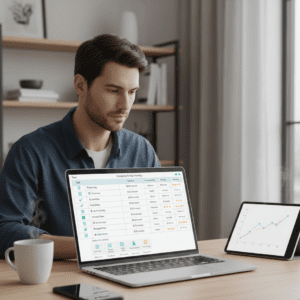
To help clear some of that complexity, here’s a comparison table detailing the key features, cost and who would benefit most from them:
| Tool | Primary Function | Best For | Free Plan | Bank Sync | Automation | Pros |
|---|---|---|---|---|---|---|
| YNAB | Zero-based budgeting | Intentional budgeters | Yes | Yes | Limited | Goal-based planning |
| QuickBooks Self-Employed | Accounting + budgeting | Tax-ready freelancers | Yes | Yes | Strong | Automated categorization |
| Mint | Personal finance | Simple tracking | Yes | Yes | Moderate | Alerts and auto tracking |
| PocketGuard | Simple budgeting | Spend clarity | Yes | Yes | Limited | Clear “In My Pocket” alerts |
| FreshBooks | Invoicing + budget | Freelancers with clients | Limited | Yes | Moderate | Full financial hub |
| GoodBudget | Envelope system | Disciplined spenders | Yes | No | Minimal | Visual allocation |
| Honeydue | Shared budgeting | Partners/collaborators | Yes | Yes | Limited | Real-time tracking |
The chart below illustrates how each one serves different freelance needs, which run the gamut from tax-ready budgeting to shared expense tracking.
Tips for Using Budgeting Tools Effectively
Even the very best apps need some strategy to reap benefits:
1. Automate Income and Expense Tracking
Automated recording of transactions with bank sync budgeting tools. Use tools with workflow automation tools (such as Zapier) to limit the necessity to do them manually.
2. Set Goals and Monitor Progress
Leverage goal-based budgeting tools to save for taxes, emergencies or even investments. Monitor progress on a week-by-week basis to make proactive budget adjustments.
3. Maintain a Simple Tool Stack
Avoid overloading on apps. Concentrate on 2–3 effective tools that work well together. Focus first on budget apps that are beginner friendly and easy budgeting software for consistent use.
How We Test Tools Before Recommending
We always test tools firsthand before suggesting them — we do not earn commissions from any recommendations. This ensures freelancers receive unbiased insights about usability, features, and value.
Testing covers:
- Ease of setup and daily use
- Feature completeness (bank sync, automation, goal tracking)
- Real-world scenarios like budgeting for irregular income
This approach helps freelancers avoid wasting time on apps that don’t fit their workflow.
Advanced Strategies for Using Budgeting Tools Effectively

Without an effective strategy even the best tool can fall short. Organizing budgeting apps can help freelancers be more efficient and financially clear.
Automate Workflows Between Apps
- Use Zapier or Make (Integromat) to connect apps like YNAB, QuickBooks, and Mint.
- Example: Automatically log freelance income in YNAB when an invoice is marked paid in FreshBooks.
- Reduces manual entry and ensures accurate real-time financial tracking.
Centralize Notifications and Alerts
- Set up push notifications for budget thresholds or upcoming bills.
- Example: Slack notifications for overspending alerts from PocketGuard or GoodBudget.
- Keeps freelancers informed without constantly checking apps.
Monitor and Analyze Spending
- Use dashboards in YNAB or QuickBooks Self‑Employed to track income vs expenses by project.
- Helps plan for lean months and set aside tax reserves.
Best Practices for Freelancers
- Encourage Consistent Tool Usage
- Set a daily or weekly time to update expenses and review budgets.
- Ensure freelancers stick to simple budgeting software and beginner-friendly budgeting apps for continuity.
- Avoid Tool Overload
- Focus on a small stack of 2–3 tools that cover most needs.
- Too many apps lead to fragmented data and lost insights.
- Regularly Reassess Your Tool Stack (semantic keywords: small team software stack)
- Review app usage quarterly.
- Replace underused or redundant apps with better alternatives.
- Maintain a central list of apps and features for clarity.
FAQs About Budgeting Tools for Freelancers
Which Budgeting Tool Works Best for Irregular Income?
Tools like YNAB and GoodBudget excel because they allow proactive allocation of every dollar and flexible envelope-style budgeting.
Are Free Budgeting Tools Reliable?
Yes. Apps like Mint and PocketGuard provide robust tracking for free users. Paid versions may offer additional automation and reporting.
Can I Use One Tool for Taxes and Budgeting?
- QuickBooks Self-Employed and FreshBooks integrate budgeting and tax features, reducing year-end stress.
- Automated categorization helps freelancers track deductible expenses throughout the year.
How Do I Integrate Multiple Tools Effectively?
- Use workflow automation tools like Zapier to sync transactions across apps.
- Centralize alerts and financial summaries for quick review.
Sample Freelancer Budget Workflow
Income Logging: Record all cash-independent work payments in FreshBooks or QuickBooks Self-Employed.
Expense Tracking: Keep all your bank accounts in sync with Mint or Honeydue for up-to-the-minute data.
Project-Based Allocation: Allocate per project via YNAB or GoodBudget envelopes.
Goal Tracking: Use goal-based features to plan for taxes, savings, or software subscriptions.
Monthly Review: Review dashboards to evaluate overspending and modify next month’s budget.
Final Recommendations
Choosing the best budgeting software for freelancers can make your finances ten times easier to understand and remove a lot of that stress.
Here’s a quick recap:
- Communication + Alerts: Slack + Honeydue
- Basic Budgeting: Mint, PocketGuard
- Advanced Planning & Goals: YNAB
- Accounting + Taxes: QuickBooks Self-employed, FreshBooks
- Visual Allocation: GoodBudget
Key Takeaways
- Start with a small, manageable stack.
- Add apps for automation and central control.
- Try tools first (we receive no commission so there is no conflict of interest).
- Continuously analyze budgets as well as bid allocation to maximize outputs.
With these moves, freelancers can harness their finances, save for uncertain income and confidently make financial decisions — all while using real, tested, and effective tools.